
Over a century of impact.
Discover key moments that have shaped Awsworth Parish Council through the years. From governance milestones to community initiatives, look back on events that have helped define our village’s story.
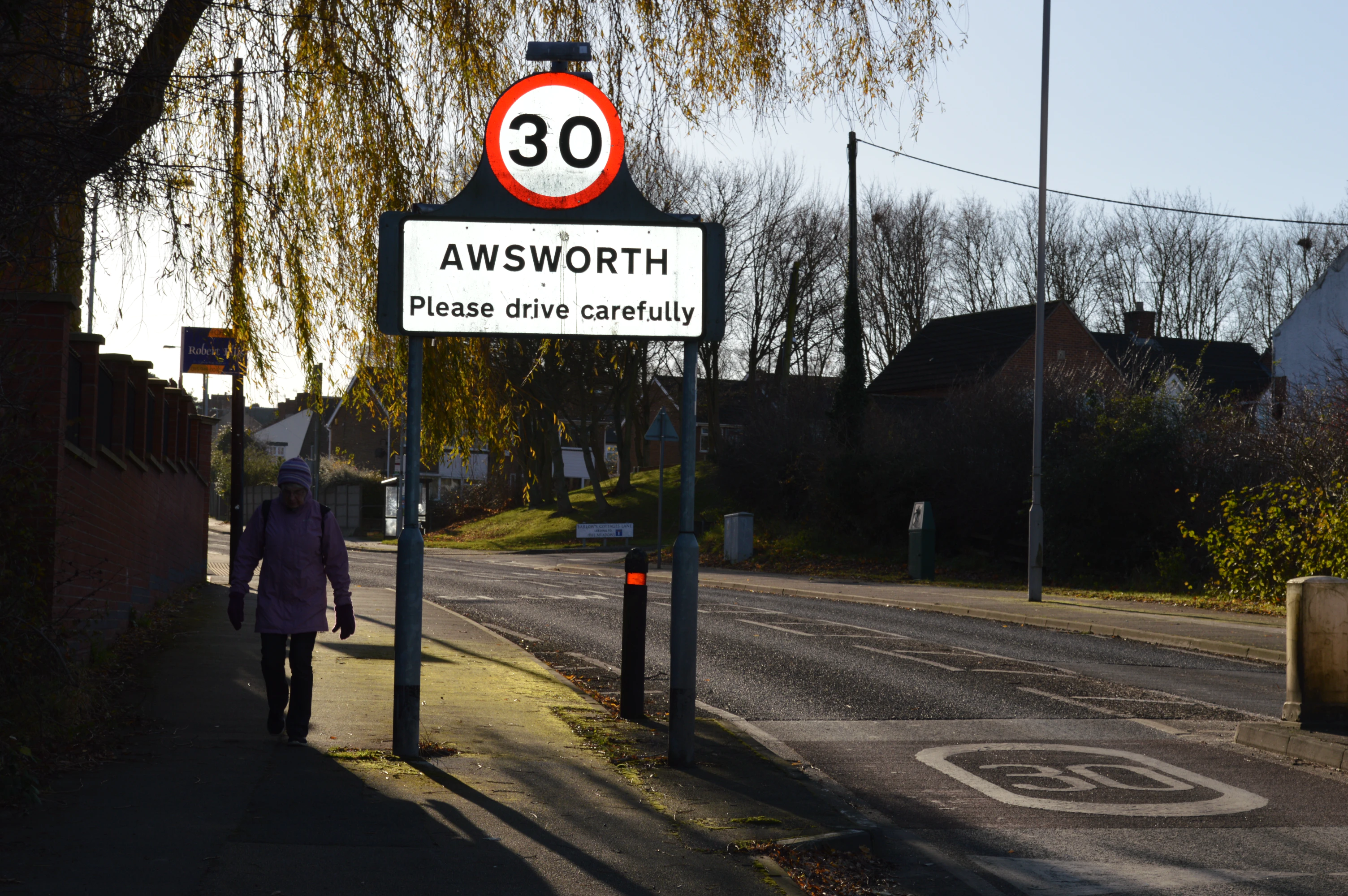
1086
Awsworth over the centuries
Before the Norman Invasion Awsworth’s first recorded name was Ealdesworth, although the first presumed name was Ealds Farm.
Over the years it is believed that Awsworth had 14 other names. In the Year 1000, Awsworth was known as Aeldeswurth, the name then varies from Ealdeswy (roe) - 1002, Eldesvorde - 1086, Eldevrde - 1086, Aldesworth – 1154, Aldiswurd – 1242, Aldisword – 1242, Aldesworthe - 1280, back to Aldesworth – 1315, Allesworth – 1421, Alworth – 1639, then finally Awsworth in 1703.
c1746
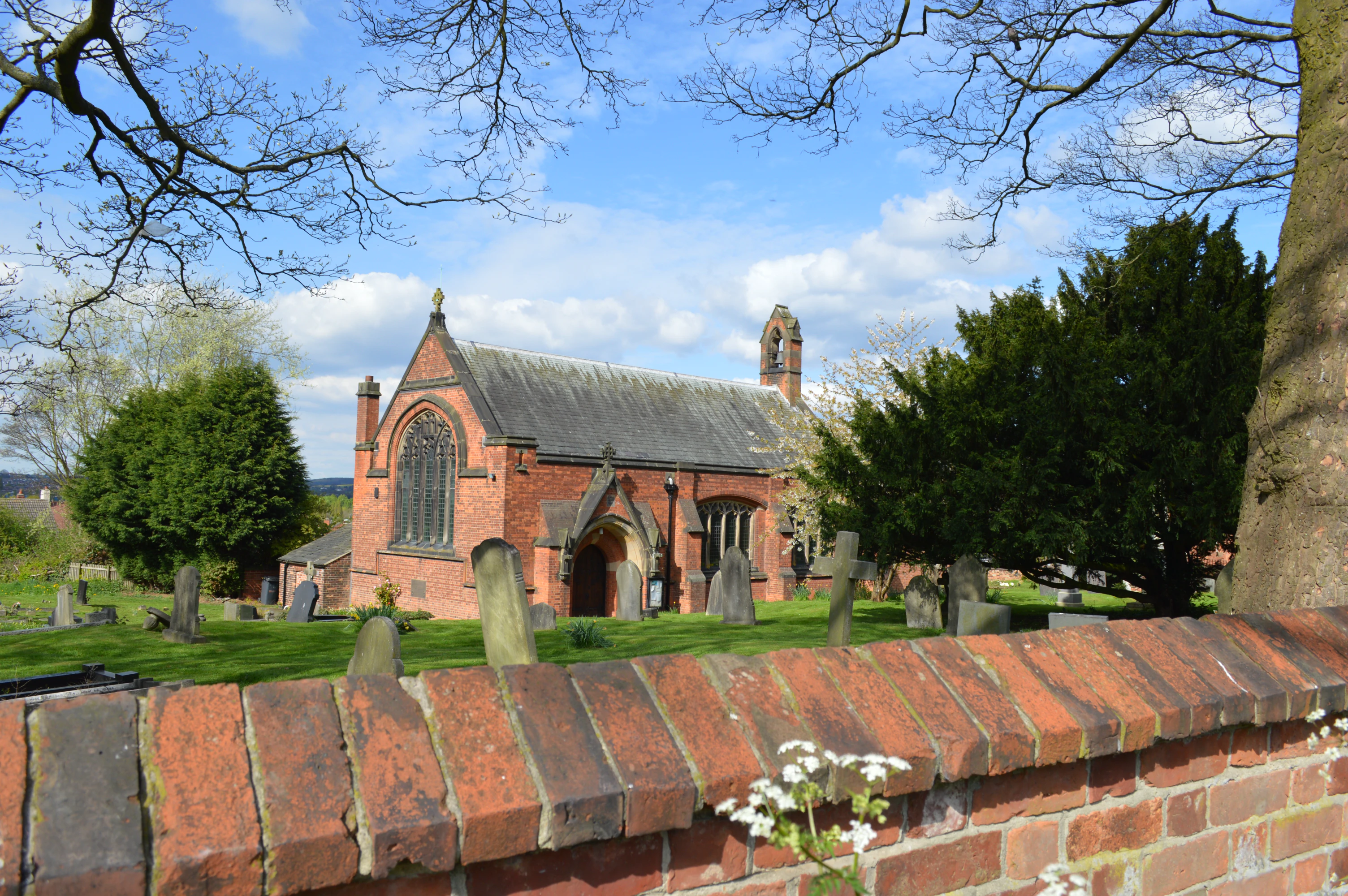
St Peter’s Parish Church
Saint Peter’s Church, located close to the west of Main Street, has architectural and historic interest. Commissioned by Richard Smedley of Risley, who owned collieries at Awsworth. It is an unusually designed parish church which has evolved over time whilst retaining some original elements. Constructed of brick and stone dressing, it makes a positive contribution to the local vernacular. Initially built as a small chapel, believed to be on the site of an old tithe barn. The vestry was used on weekdays as the village’s first schoolroom until the opening in 1878 of the first Board School opposite, The chapel still exists as a chancel situated to the north side of the newer main building. This part of the building is simply constructed in comparison to the rest. It is best appreciated from outside where the distinctive early stone and brick construction can be seen. The church and churchyard, including boundary walls, are important as a source of local identity and social interaction. The oldest known building in the parish, the church and churchyard. The church was virtually re-built in 1900 with a Gothic-style east window. The churchyard includes the Grade II Listed War Memorial.
As part of a Notts County Council project, a local survey recorded location and details of all graves and headstones. Recognised (H1 & H2) in the list of Awsworth Character Buildings & Structures of Local Heritage Interest.

1777
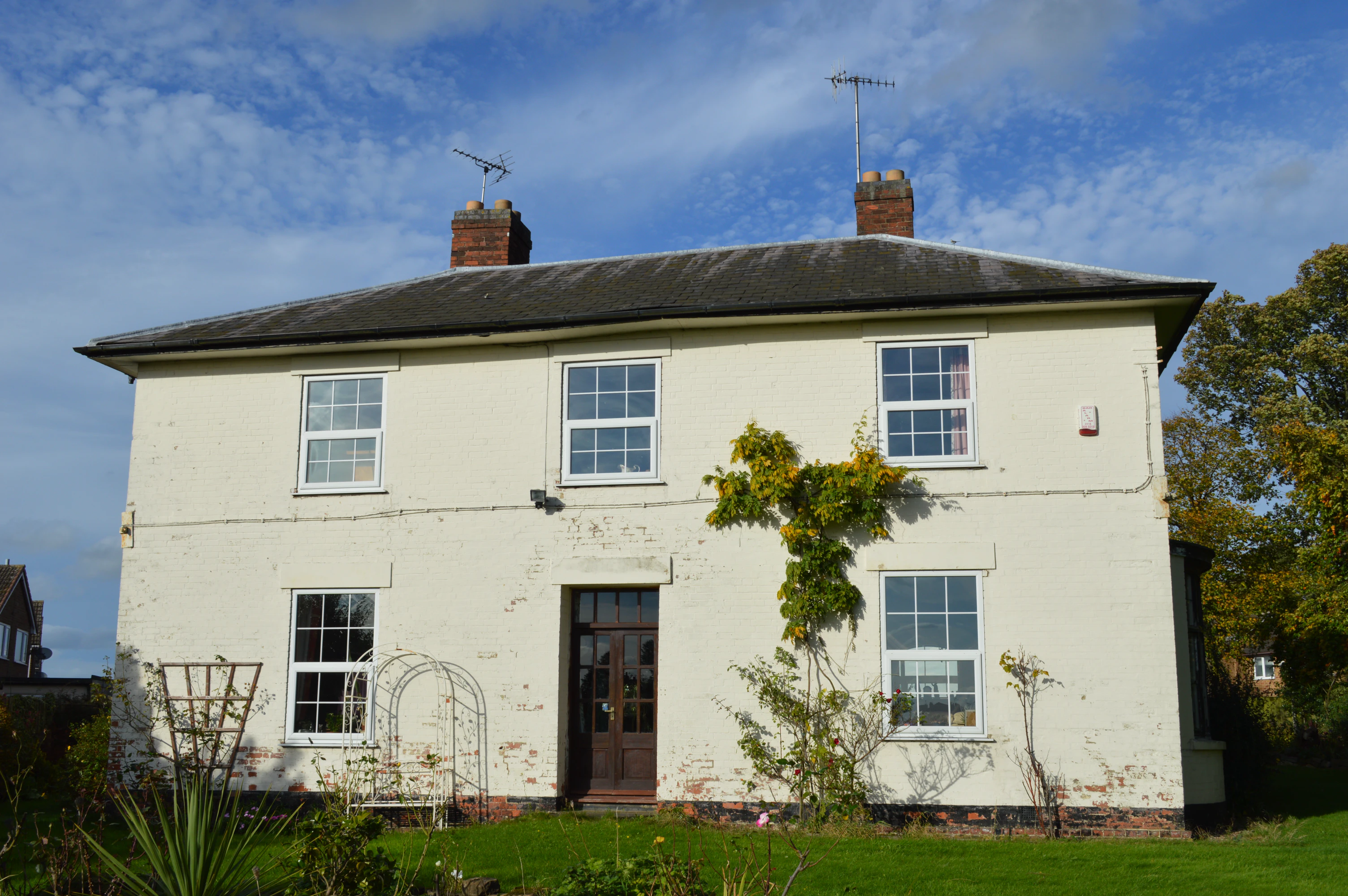
The Old Manor House
The former Manor House (Farm) is situated at the heart of the original settlement at the top of the hill set back to the east of where The Lane meets Main Street. Re-built in 1777 on or very close to the site of the original manor house, a timber beam in the main staircase has been dated to c1570, possibly from a previous structure. The main building is attractive and of distinctive size and design, unlike any other locally. A shallow well exists close to the rear of the building which taps into an artesian water source.
Recognised (H3) in the list of Awsworth Character Buildings & Structures of Local Heritage Interest.
1792-96
Nottingham Canal
Built by William Jessop between 1792 and 1796 to link local collieries, the canal closed in 1937. The section still in water through Awsworth (Willoughby ‘Top Cut’) was part of a 14.7 mile route between the River Trent in Nottingham to the south and the Great Northern Basin at Langley Mill in Derbyshire to the north.
The Awsworth section, west of Shilo Way between Naptha House and Newtons Lane, is part of a multi-use local green space used for nature conservation and informal recreation. It forms the northern section of a linear Local Nature Reserve which is also used for fishing. The old towpath along its western side is well-used by walkers and cyclists and provides a good viewing point for Bennerley Viaduct and ‘The Blob’ washlands along the River Erewash.
%20OLd%20Nottingham%20Canal%20Spring%20Dog%20Walkers.webp)
1843
The Old Vicarage
‘Woodlands’, the original vicarage built in 1843, is a substantial rendered property which remains essentially intact incorporating an impressive tree lined driveway. Reverend Samuel M Lund required the house be built to take advantage of the then open aspect southwards which afforded distant views into Leicestershire.
The wider site has a good number of mature trees (including along the driveway), all recognised as being of visual importance by forming part of a Group Tree Preservation Order. Recognised (H6) in the list of Awsworth Character Buildings & Structures of Local Heritage Interest.
1854
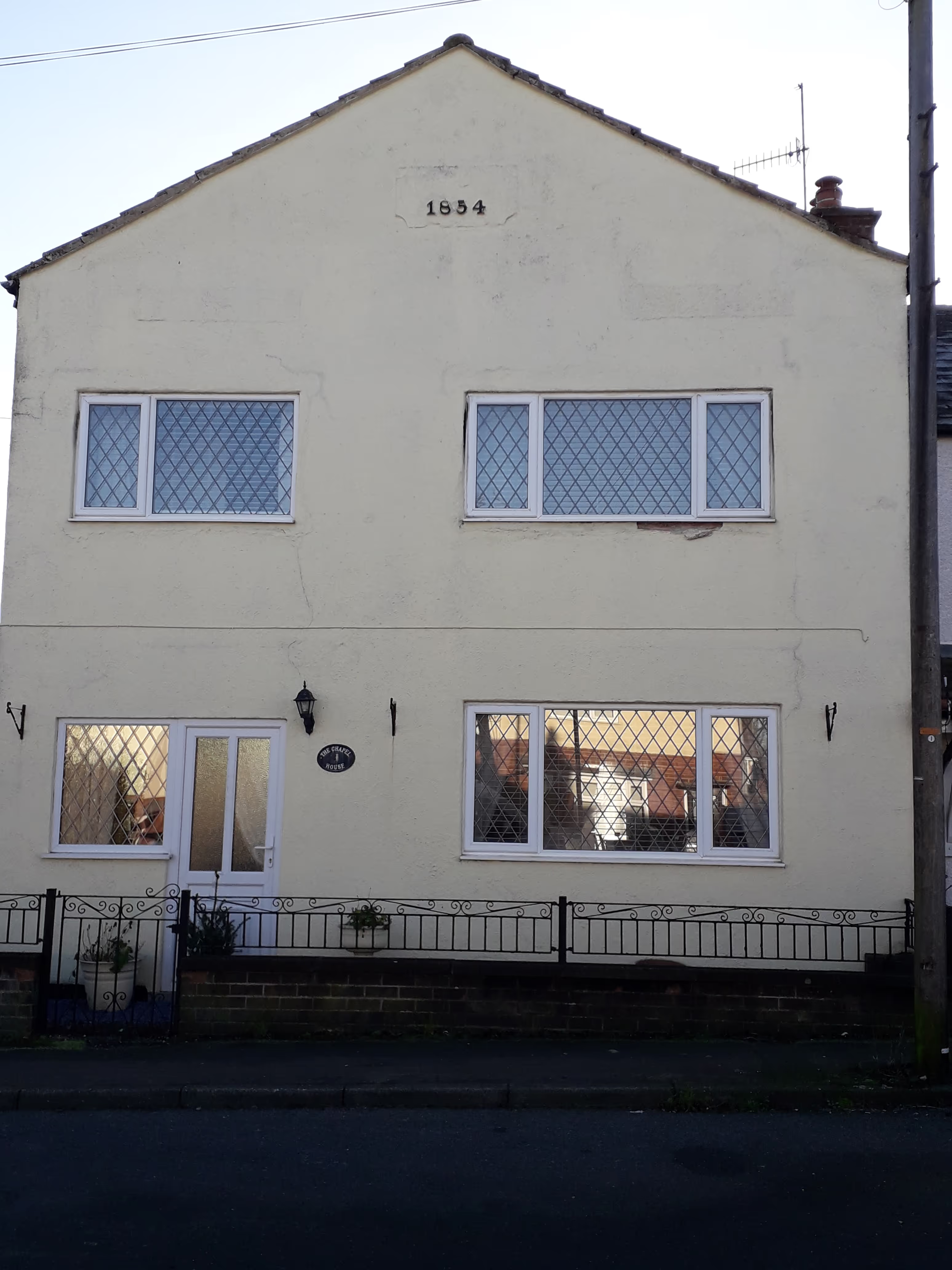
Former Primitive Methodist Chapel
Known locally as ‘bottom chapel’ the building is one of the oldest in the village, and one of two surviving examples from when Methodism was established and spread in the area. It stands to the south side of Station Road close to Main Street. It closed in 1965 and is now a private dwelling.
Although the lettering has been lost the 1854 date stone can still be seen high up on the gable wall. Recognised (H15) in the list of Awsworth Character Buildings & Structures of Local Heritage Interest.
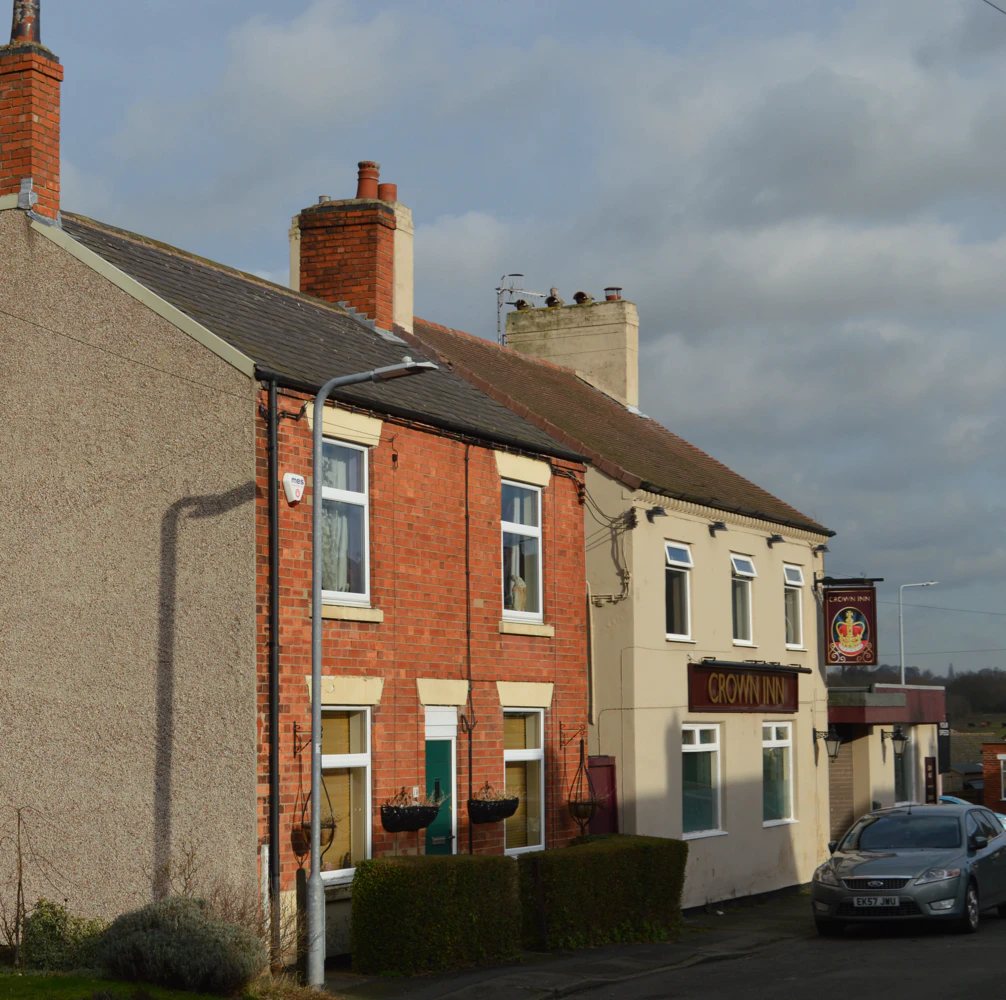
c1860
Crown Inn
The Crown Inn built as a dwellinghouse about 1860 but became a public house some time after. The adjacent house built at the same time has 1860 inscribed above the front door. Until recent boundary changes this was officially the only public house in Awsworth. A source of social interaction for over 150 years. Recognised as being of special local significance because it is importance to the identity and character of the area as a key community facility. Its dominant size and prominent position at the junction of Main Street and Croft Crescent, together with its strong association with the history and development of the village, make this an important building that is locally valued.
Recognised (H24) in the list of Awsworth Character Buildings & Structures of Local Heritage Interest.
1874
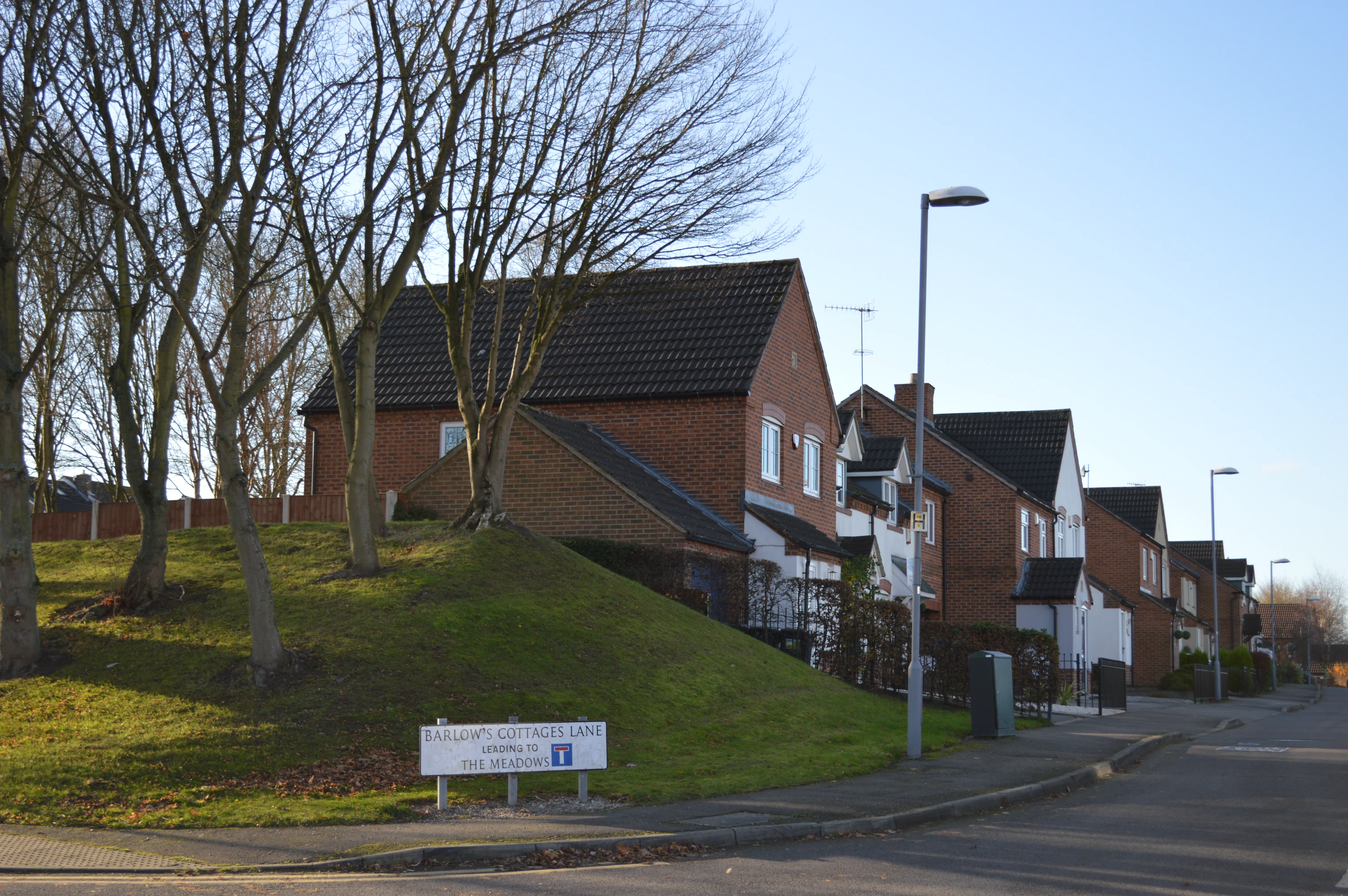
Barlow’s Cottages
A date stone records 1874 to the frontage of this row of 5 ‘railway workers’ cottages built in connection with the coming of the Great Northern Railway through Awsworth. Now 4 private dwellings with the most westerly two cottages forming a single dwelling. Recognised (H11) in the list of Awsworth Character Buildings & Structures of Local Heritage Interest.
1878
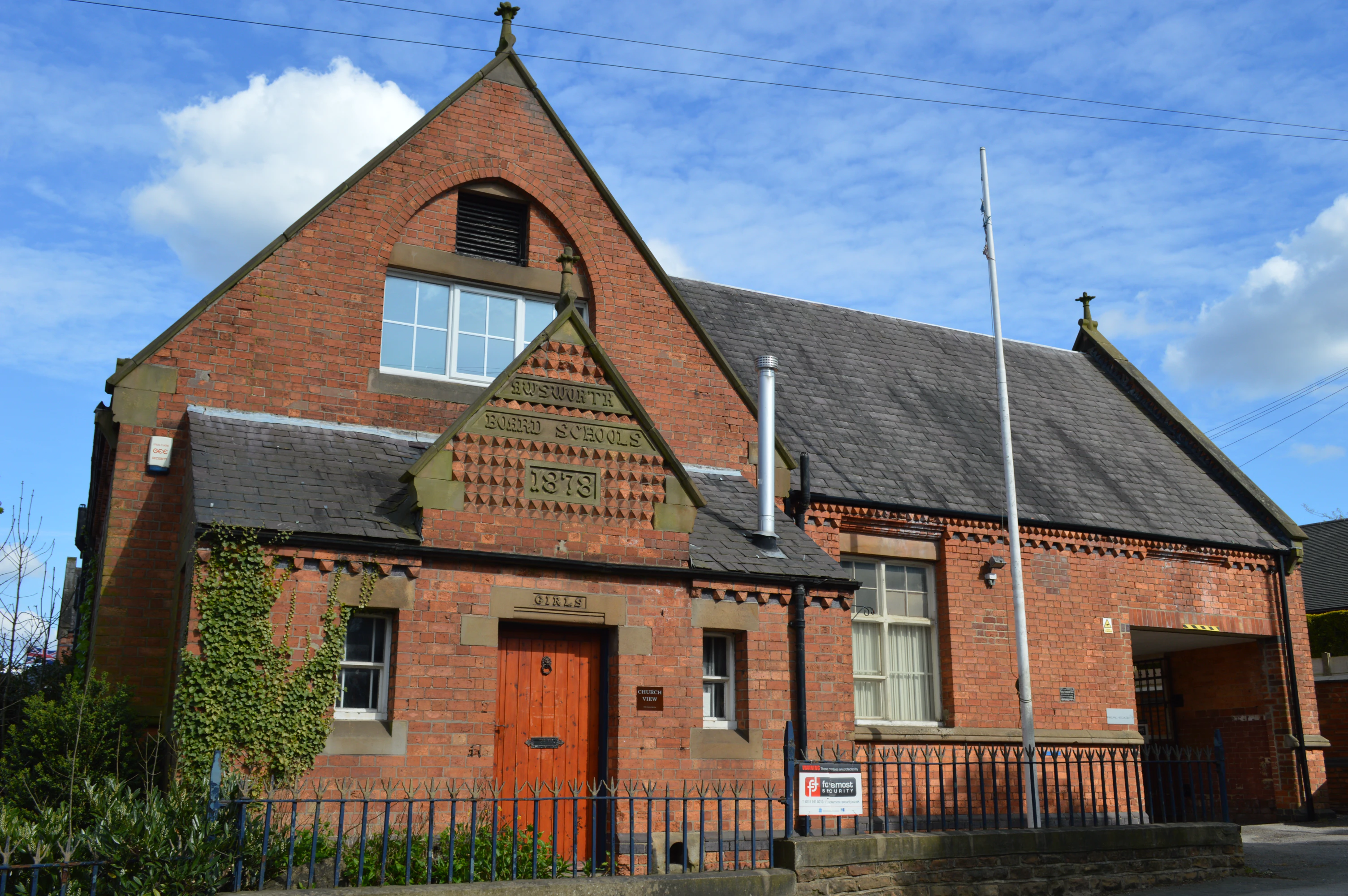
Old Junior School
Located to the east side of Main Street opposite the church, the former Awsworth Boards School has the name in carved sandstone relief with a date stone of 1878 all set within an intricate brick-patterned gable wall.
The building was converted for commercial use and two flats formed in the roof space. Recognised (H4) in the list of Awsworth Character Buildings & Structures of Local Heritage Interest.
1878
Old School House
The Old School House was built for the headteacher of the former Awsworth Board School 1878 (later the old Junior School). In conjunction with the school, it is of local historic interest and important locally because it illustrates an important aspect of Awsworth’s past.
The building is of architectural and visual interest, retaining many of its original external features, notably the impressive chimney and roof embellishments. It was sympathetically restored by its present owners. Recognised (H5) in the list of Awsworth Character Buildings & Structures of Local Heritage Interest.

c1880
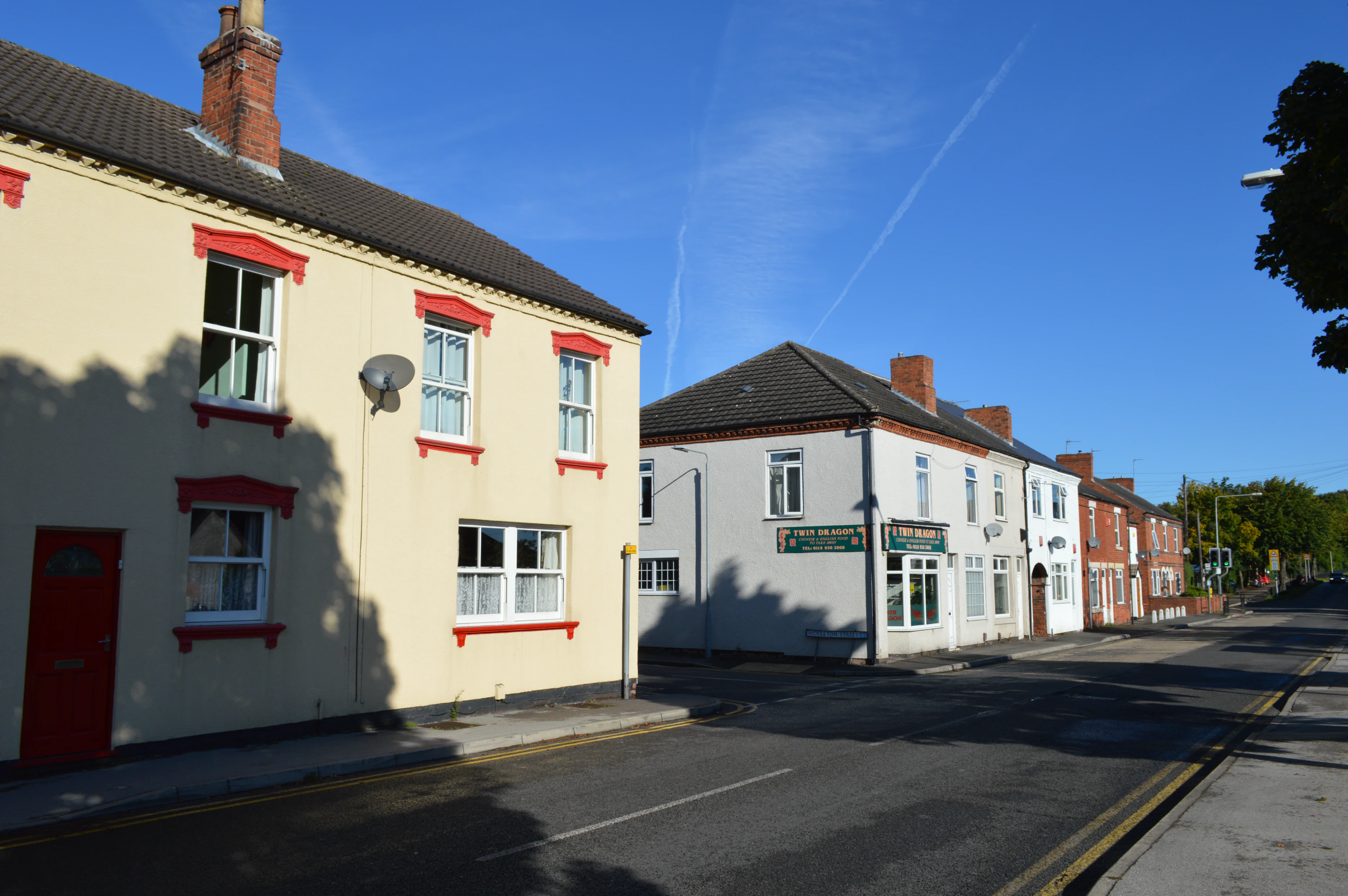
‘Keeling’s Corner’
Built around 1880, possibly as adjoining separate houses, it became an Off-Licence. It stands at the corner of The Lane and Middleton Street, and has unusual cast-iron lintels and sills. Recognised (H26) in the list of Awsworth Character Buildings & Structures of Local Heritage Interest.
c1884
Gate Inn
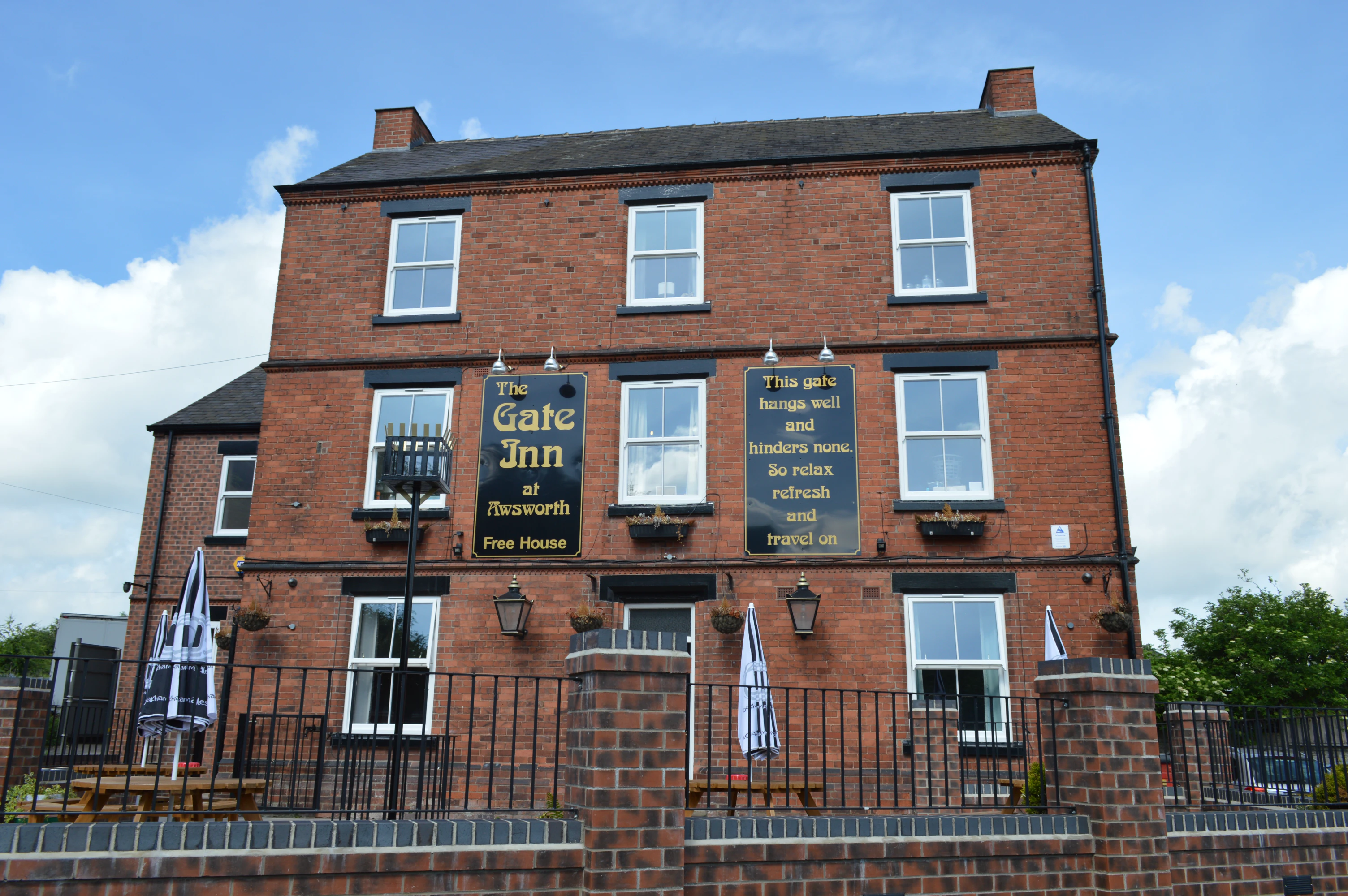
The Gate Inn stands at the eastern edge of the village, close to where Main Street becomes Awsworth Lane. Until recently the red brick public house was in Kimberley Parish but is now in Awsworth Parish. An impressive late 19th Century, three-storey, Georgian-style building, built around 1880 (possibly 1884).
Originally smaller, it was expanded in the 1950s when the two back rooms were converted into the main bar and lounge, largely establishing the layout seen today. The historic interior noted by CAMRA for its regional importance. The building has a more recent two-storey extension to the western elevation to provide modern stair access and toilets.
1887
Old Infant School
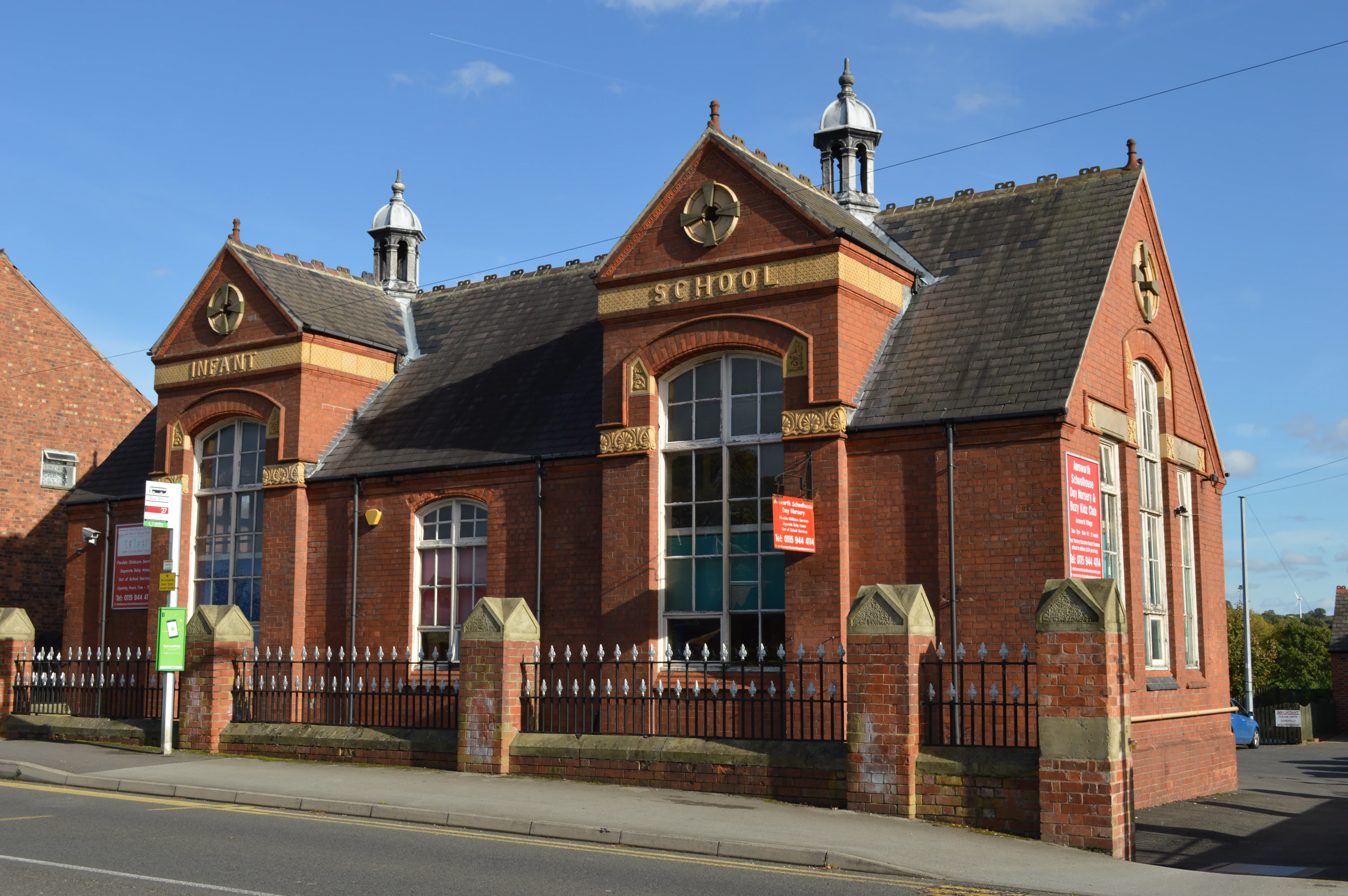
Recognised as being of national importance being of Special Architectural or Historic Interest. Listed Building ‘Infant School, The Lane, Grade II [No. 1278010] and Walls, railings and attached covered playground at the Infant School, The Lane, Grade II [No. 1248409]. Stands on The Lane at the top of the hill.
An impressive design of red brick with courses of decorative creamy – yellow facing tiles, including the words ‘INFANT’ and ‘SCHOOL’ above the two full-height projecting bays each with full-height windows. Round-topped cupolas are positioned on the ridge behind each bay.
1890
Haddon House
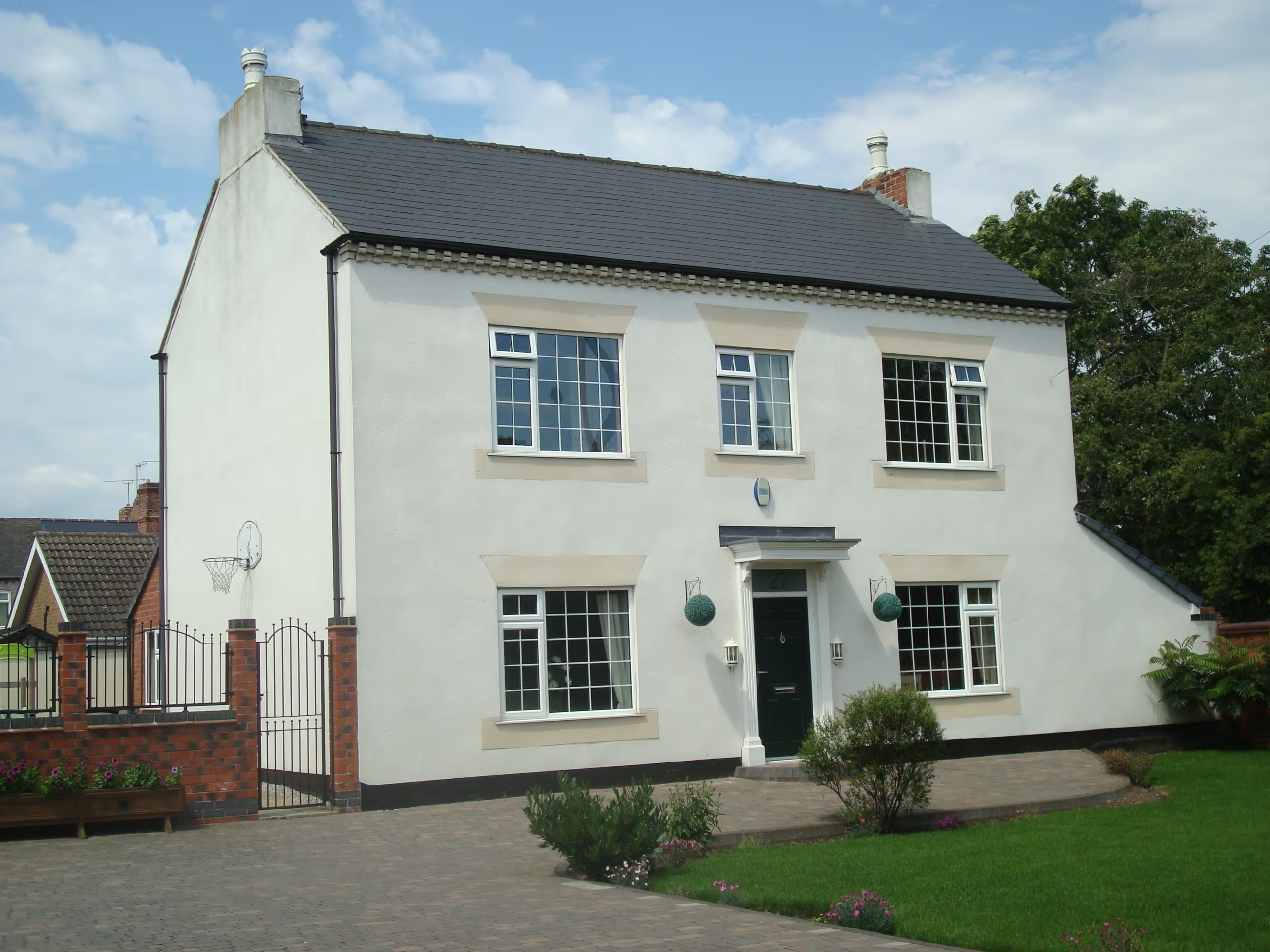
Haddon House built 1890 at the junction of The Lane and Bonners Lane. Believed to be the manager’s house for the brickworks located in this vicinity.
c1900
Glebe Farmhouse
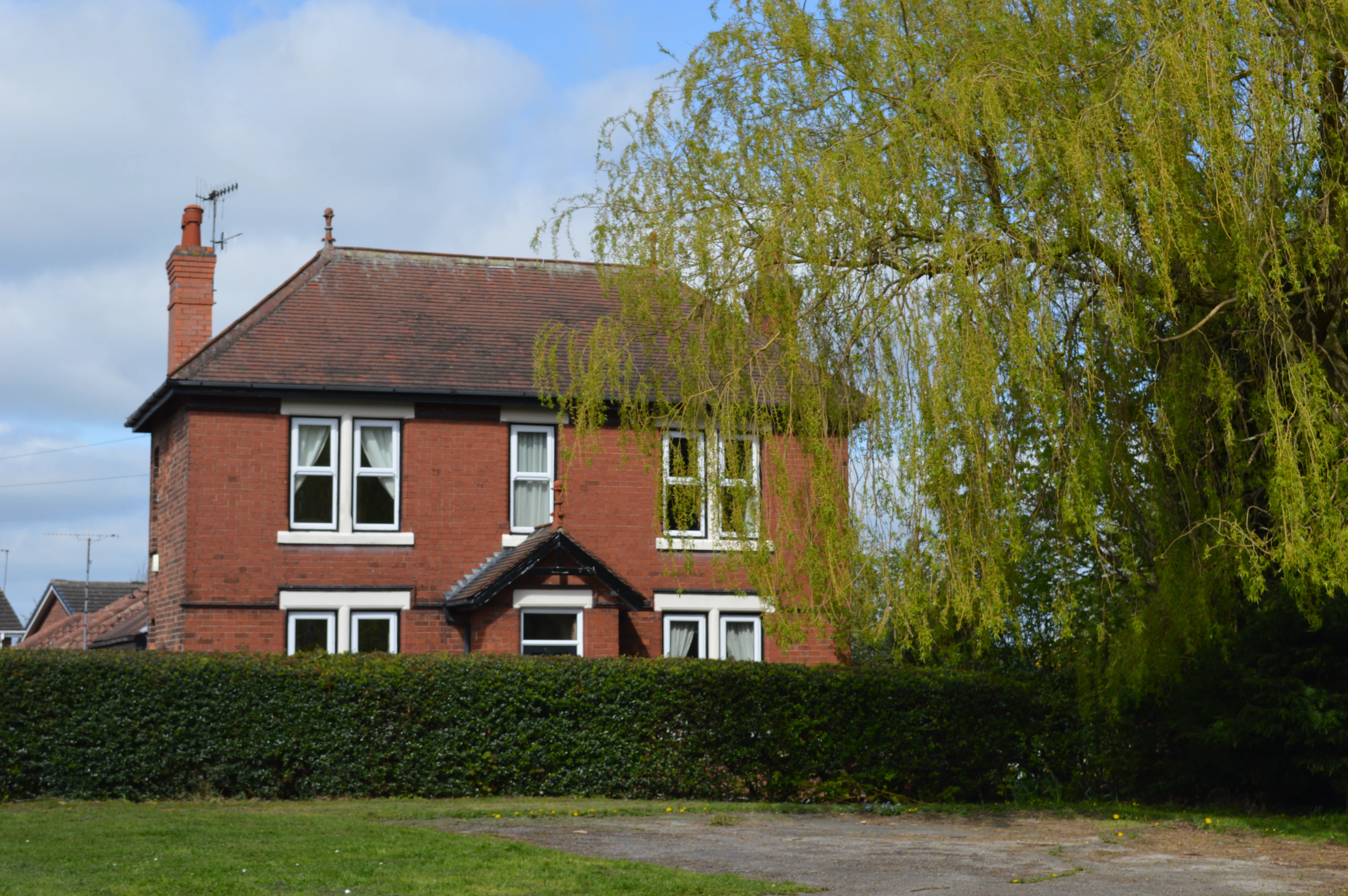
Glebe Farmhouse built c1900 on or close to the site of an earlier farm. After which the Glebe Farm Estate was named with the late 1960s housing occupying the land previously associated with the farm. Recognised (H16) in the list of Awsworth Character Buildings & Structures of Local Heritage Interest.
1903
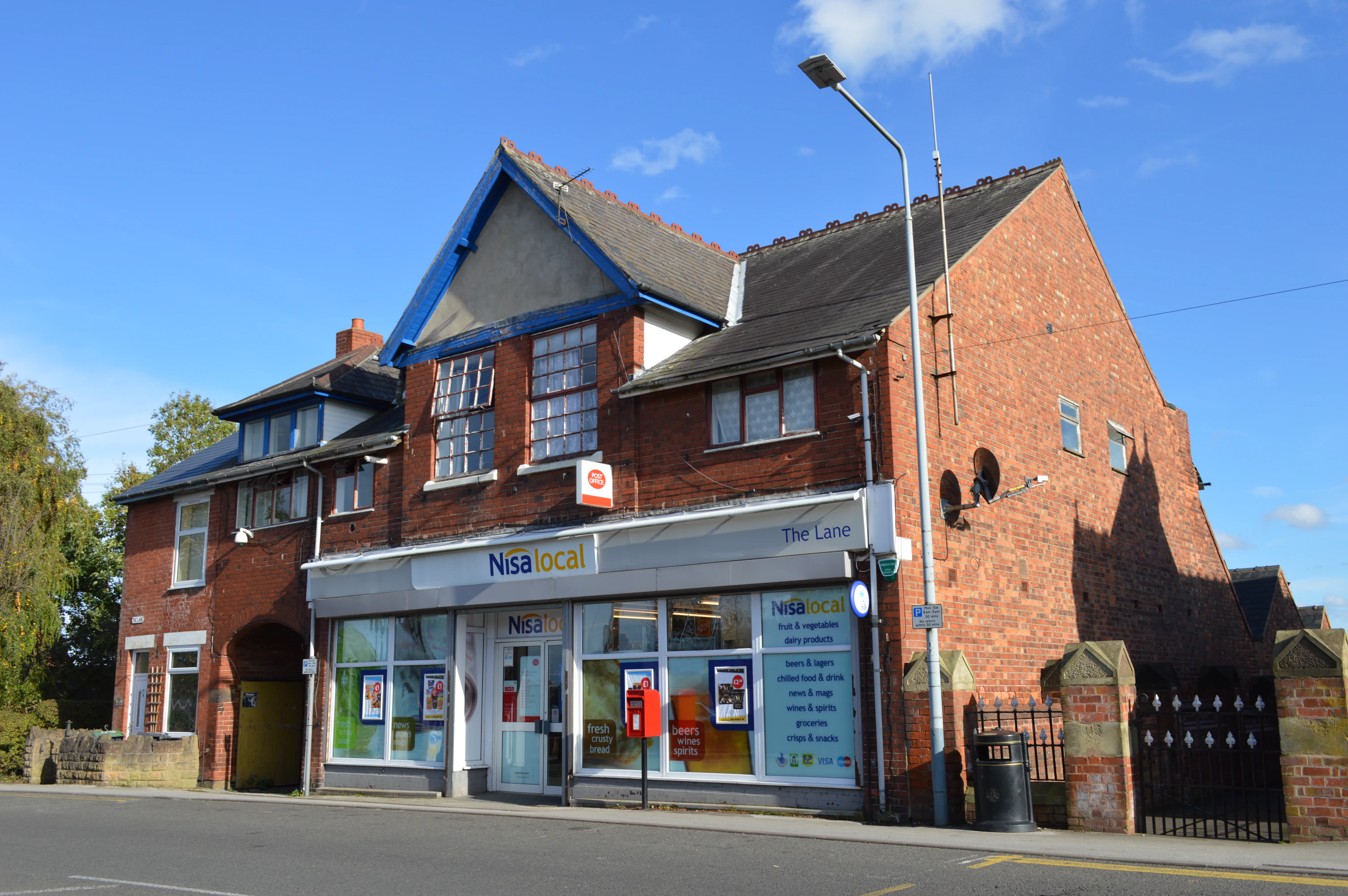
Former Co-operative Building
Originally Aldercar & Langley Mill Co-operative Society Building built in 1903. Currently NISA village store. Recognised (H8) in the list of Awsworth Character Buildings & Structures of Local Heritage Interest.

1984
Awsworth Parish Council Centenary
The Parish Council’s 100th year was marked by the planting of a Centenary Oak at the centre of The Donkey Piece where Main Street meets Gin Close Way.
Additionally, an official crest was created to showcase the parish’s unique heritage. At its centre are the crossed keys of St Peter, symbolising the parish church, illuminated by a miner’s helmet and safety lamp in honour of Awsworth’s coal mining past. A locomotive wheel reflects the village’s railway links, while the iconic girders of Bennerley Viaduct rise above the River Erewash and former Nottingham Canal. The green border represents the surrounding Green Belt.
A civic medallion was also commissioned for the Centenary, featuring the same imagery with detailed enamel inlay. Worn on a dark green ribbon, it continues to be used by the Chair at key civic occasions such as Remembrance Day.
1992
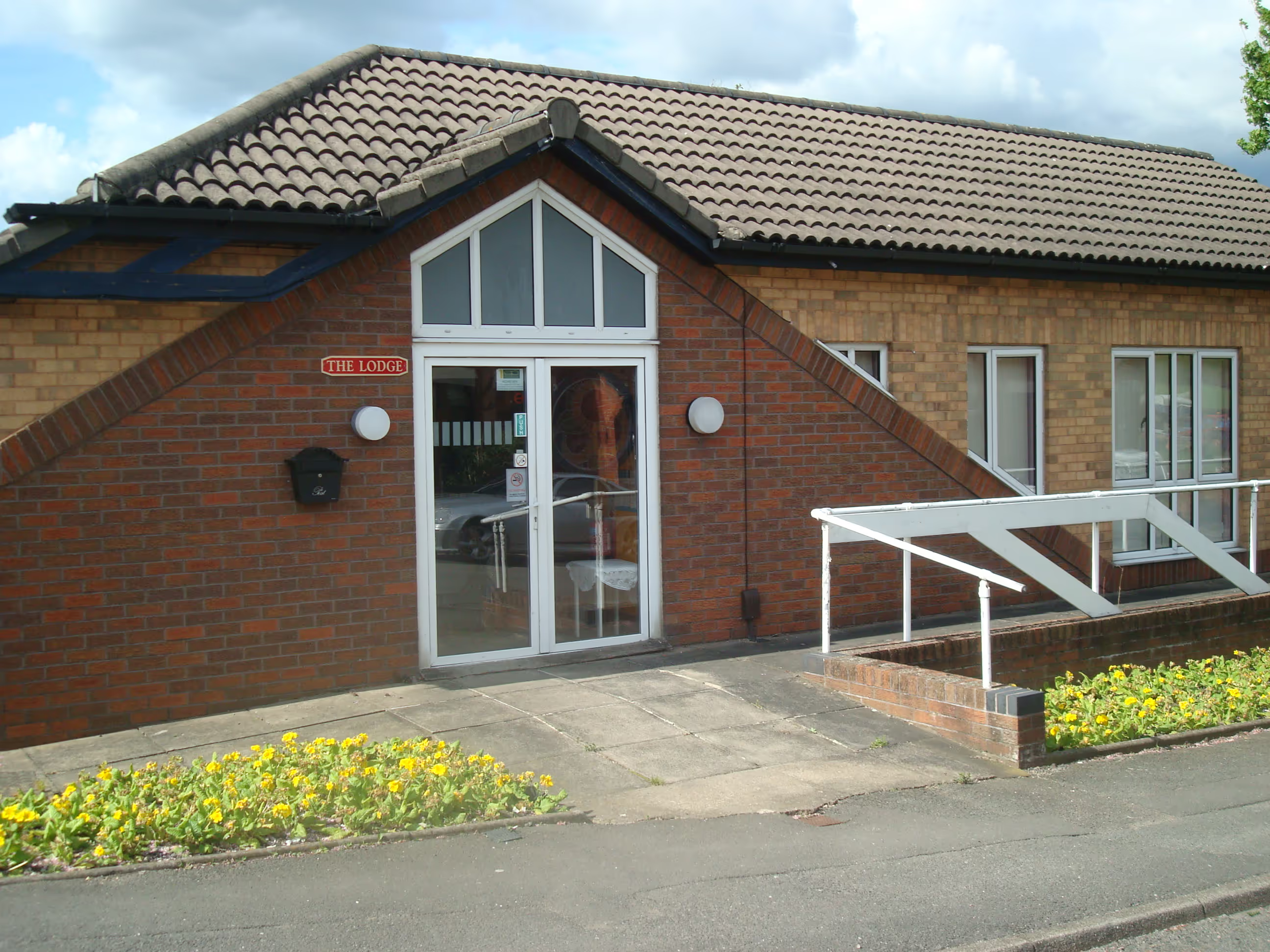
Main Street Community Room
The Main Street Community Room (or ‘The Lodge’) stands to the north side of Main Street at the eastern edge of the village. Originally used in conjunction with the flats on Main Street and those at Valley Road at Gilt Hill.
1996
Awsworth & Cossall Bypass
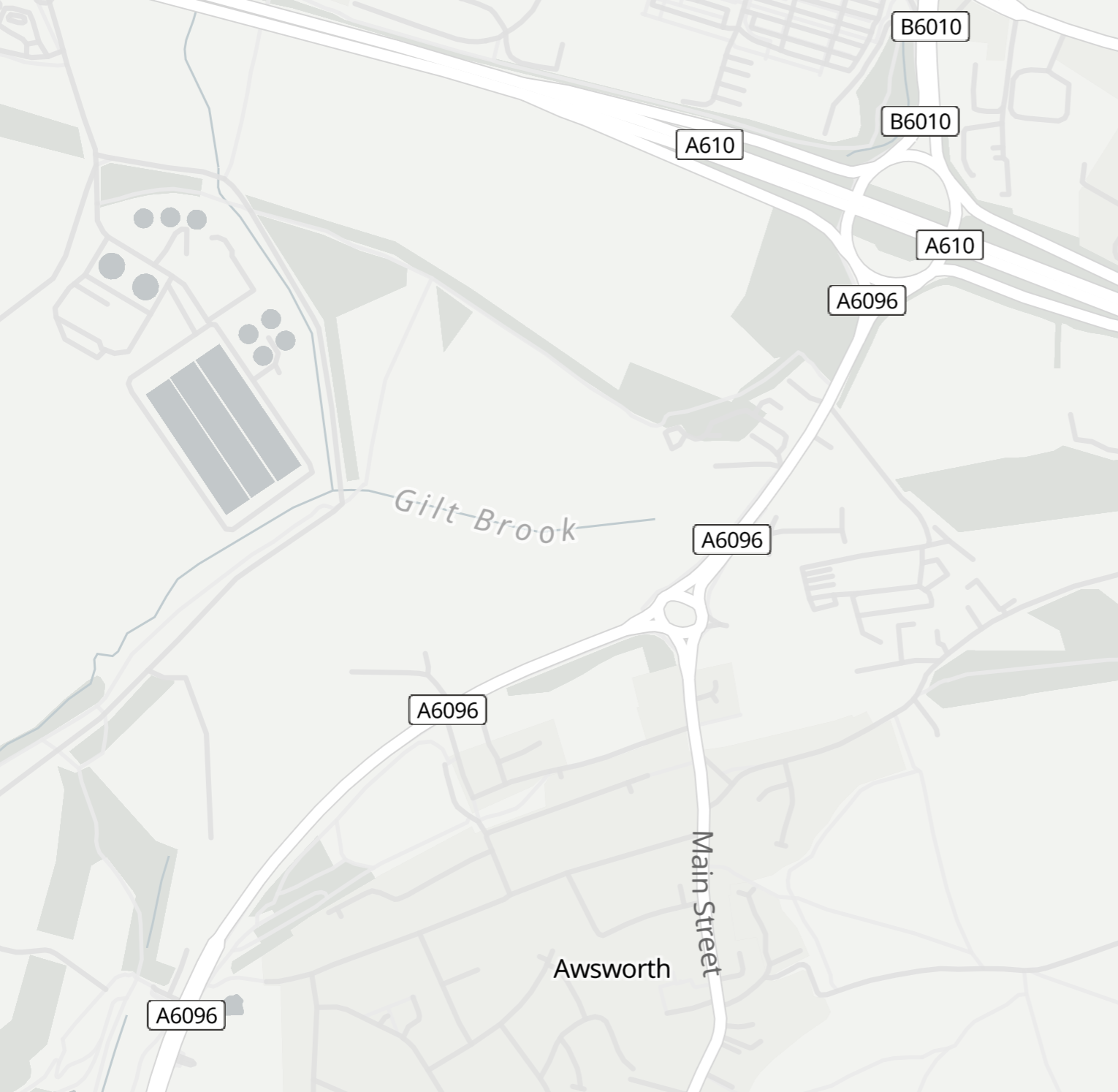
The new A6096 Bypass of Awsworth and Cossall villages, known as Shilo Way, runs to the west of Awsworth village linking Ilkeston to the south and west with the A610 and M1 to the north and east. The twin mine tubs are a prominent feature at the main ‘gateway’ to the village and an important link to the area’s coal mining heritage.
Located on the roundabout (known locally as ‘Tub Island’) at the north end of Shilo Way where it meets Gin Close Way. The tubs came from a colliery in South Wales but are the type that would have been used in local pits. Recognised (H28) in the list of Awsworth Character Buildings & Structures of Local Heritage Interest.
More stories to uncover. More history to make.